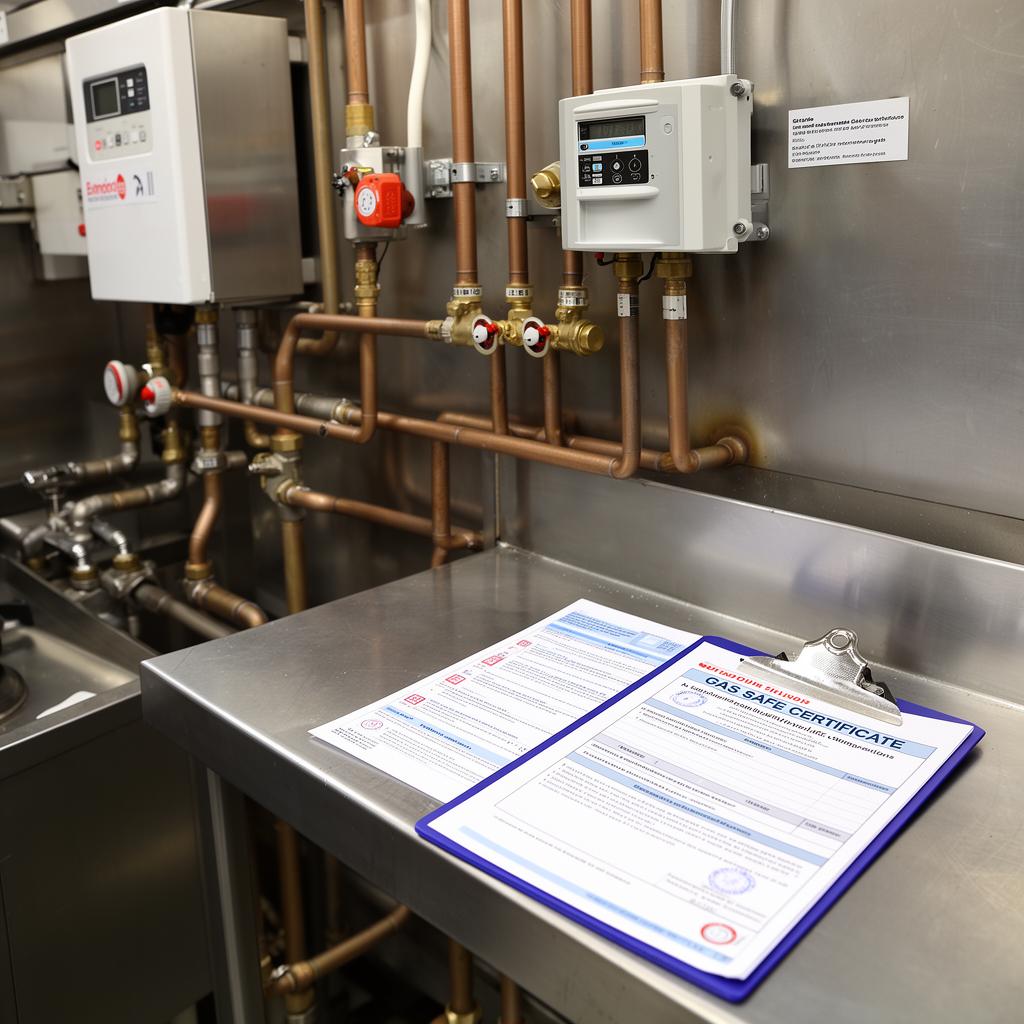
How an LPG tightness test differs from natural gas
LPG systems operate at different working pressures to natural gas, and the lpg tightness test procedure takes account of this, along with the characteristics of LPG itself, which is heavier than air and behaves differently if it escapes into a space. Testing a commercial LPG installation therefore follows the same broad principles as natural gas tightness testing — isolation, pressurisation, stabilisation, and monitoring — but applies pressures and tolerances appropriate to LPG.
Because LPG is commonly supplied to premises without a mains gas connection, such as rural sites, temporary catering setups, or standalone commercial units, testing often needs to account for bulk tanks or cylinder manifolds as well as the building's internal pipework.
LPG tightness test pressure and procedure
The lpg tightness test pressure applied depends on the installation and the standard being followed, and your engineer will select the test pressure appropriate to the system rather than applying a generic figure. As with natural gas testing, the system is pressurised, allowed to stabilise, and then monitored over a timed period for any drop that would indicate a leak.
Where a bulk LPG tank or vapouriser feeds the installation, the test may need to assess sections of pipework separately — for example the supply line from the tank to the building, and the internal distribution pipework — since combining very different volumes into a single test can make results harder to interpret.
Vapour and liquid phase considerations
Some LPG installations include sections carrying liquid phase LPG as well as vapour, particularly close to larger storage vessels. These sections require careful handling during testing, and engineers experienced with LPG systems will account for this when planning the test sequence.
Why regular LPG tightness testing matters
Because LPG is denser than air, a leak can pool in low areas such as pits, cellars, or enclosed plant rooms rather than dispersing as readily as natural gas might. This makes regular lpg tightness testing procedure checks particularly important for commercial premises using LPG, especially where pipework runs through enclosed spaces or beneath floors.
Testing is carried out as part of new installation commissioning, after any alteration to pipework, and periodically as part of ongoing commercial gas safety management for LPG-fuelled sites.
Common commercial LPG settings we test
We carry out LPG tightness testing across a range of commercial settings, including catering operations using bulk LPG or cylinder manifolds, warehouse and industrial units with LPG-fired heating, and rural hospitality or leisure premises without access to the mains gas network.
Each setting brings its own layout challenges — manifold pipework, long external runs, or multiple appliance branches — and the test is planned around the specific configuration on site rather than a one-size-fits-all approach.
What happens if an LPG test identifies a leak
If the test shows a pressure drop beyond tolerance, the engineer investigates using leak detection methods appropriate to LPG, locates the source, and arranges repair before the full tightness test procedure is repeated. Until a successful test is achieved, the installation should not be brought back into use.
Booking an LPG tightness test
If your commercial premises relies on LPG, whether from a bulk tank, vapouriser, or cylinder manifold, our engineers can carry out a full LPG tightness test and advise on any remedial pipework needed. Call 0208 935 5572 to arrange a visit.
Storage vessel and tank safety checks alongside testing
Where a commercial site has a bulk LPG tank or vessel, a tightness test is often carried out alongside a broader check of the storage installation, including the condition of the tank itself, associated valves, and any vapouriser equipment. This gives a fuller picture of the installation's condition rather than treating the pipework in isolation from the vessel feeding it.
Tank and vessel inspections generally fall under separate requirements to the pipework tightness test itself, but scheduling both during the same visit is often practical for site access and minimises disruption to the business.
LPG Tightness Test Service: frequently asked questions
How is an LPG tightness test different from natural gas testing?
- The principle is the same — pressurise, stabilise, then monitor for a pressure drop — but the LPG tightness test procedure uses pressures and tolerances suited to LPG, and may need to assess bulk tank supply pipework separately from internal distribution.
What LPG tightness test pressure is used?
- The pressure applied depends on the specific installation and the standard being followed; your engineer selects an appropriate test pressure rather than using a fixed universal figure.
Why is LPG tightness testing especially important?
- LPG is denser than air and can pool in low or enclosed spaces if it leaks, making regular tightness testing an important safety check for commercial LPG installations.
Do you test cylinder manifold systems as well as bulk tanks?
- Yes, our lpg tightness testing procedure covers cylinder manifold installations, bulk tank supplies, and the internal pipework distributing LPG around a commercial premises.
Can tank or vessel checks be arranged at the same time as testing?
- Yes, where practical we arrange a combined visit covering the pipework tightness test alongside a check of the storage vessel and associated valves, reducing disruption to the site.
Need a commercial gas engineer in London?
Gas Safe registered commercial engineers, 24 hours a day. Call now or book online and we'll confirm a time.