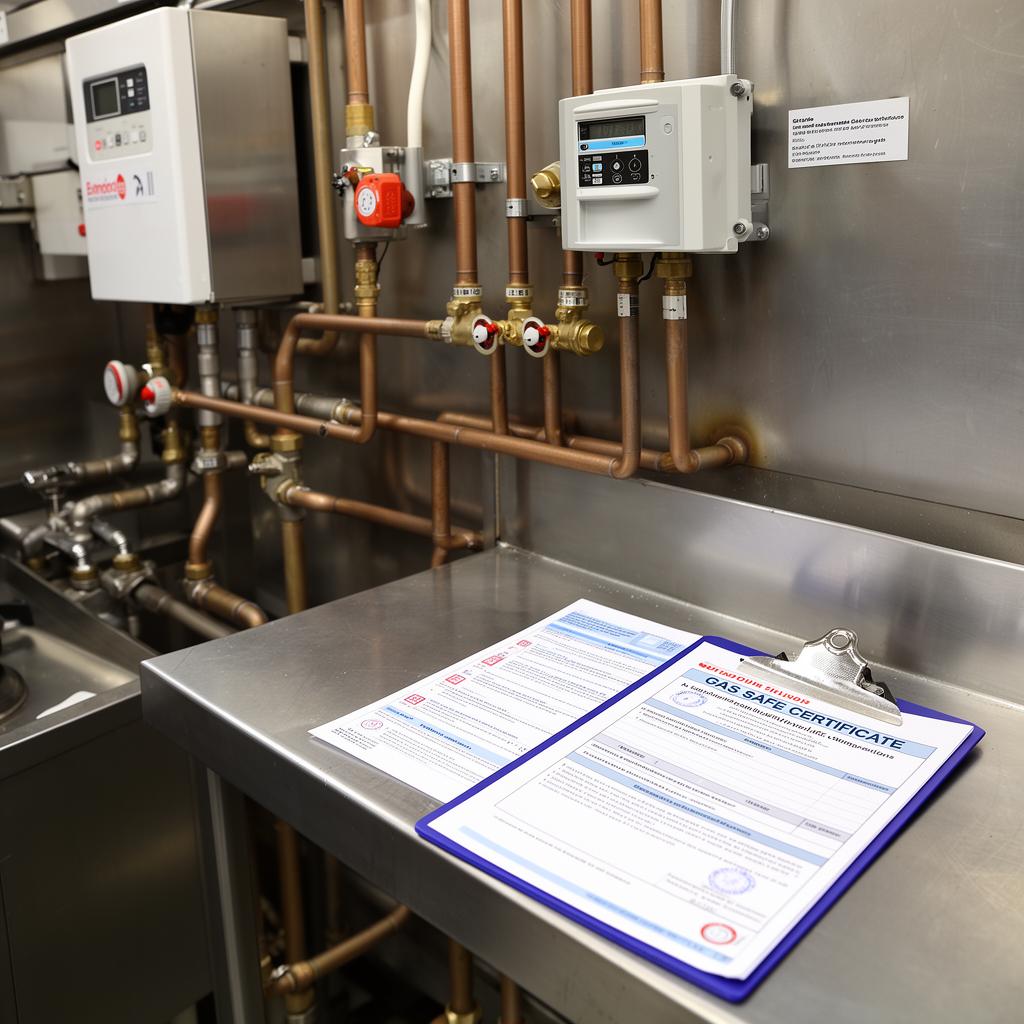
Who Is Responsible for Gas Safety for Business Premises
Gas safety responsibilities commercial building owners and employers hold generally sit with whoever has control of the gas installation - often the building owner, but in multi-let premises this can be split between landlord and tenant depending on lease terms. Employers also have broader workplace health and safety duties that extend to gas appliances used by staff, such as kitchen equipment or space heating, meaning gas safety for business isn't limited to one named 'responsible person' in every case - it depends on the building's ownership and tenancy structure.
Where responsibility is unclear, it's worth checking the lease or management agreement, since gaps in who's responsible for servicing and inspection can leave gas safety duties unmet without anyone realising.
What Workplace Gas Safety Typically Involves
Maintaining Appliances and Pipework
Keeping gas appliances and pipework maintained in a safe condition on an ongoing basis, which usually means periodic servicing in line with manufacturer guidance and risk assessment.
Periodic Safety Inspections
Regular safety checks carried out by a Gas Safe registered engineer, with appropriate CP paperwork produced for each appliance category checked.
Record-Keeping
Keeping copies of safety certificates, service records and any remedial work carried out, which can be requested by insurers, enforcing authorities or during incident investigations.
Staff Awareness
Making sure staff who use gas appliances - particularly in catering environments - know basic signs of a gas problem and who to contact, which supports day-to-day workplace gas safety alongside formal inspections.
Gas Safety for Business in Multi-Tenant Buildings
In shared or multi-let commercial buildings, gas safety for business can be more complex because the supply may serve multiple tenants from a shared meter or plant room. Clarifying in writing who is responsible for servicing shared pipework and plant, separate from tenant-owned appliances within individual units, helps avoid gaps in coverage and disputes if an issue arises.
What Happens If Gas Safety for Business Is Neglected
Beyond the direct safety risk of poorly maintained gas appliances - including carbon monoxide risk and fire risk from leaks - a lack of up-to-date records can also complicate insurance claims and any investigation following an incident. Keeping on top of servicing and inspection is generally more straightforward and lower-risk than catching up after a gap has developed.
Getting Gas Safety for Business Sorted
If you're unsure what gas safety for business currently looks like at your premises - whether appliances are up to date, who holds responsibility, or what records exist - a survey by a Gas Safe registered engineer can clarify the position and set out a plan going forward, whether that's a one-off catch-up inspection or an ongoing maintenance schedule.
Building Gas Safety Into Wider Risk Management
Gas safety for business sits alongside other workplace risk management duties - fire safety, electrical safety, general health and safety - rather than existing as a completely separate process. Many businesses find it practical to review gas safety at the same time as other periodic risk assessments, so that servicing schedules, staff training and record-keeping for gas appliances are considered as part of the same overall safety management system rather than tracked separately and potentially overlooked.
Preparing for an Insurance or Enforcement Review
Insurers and enforcing authorities may ask to see evidence of gas safety for business at short notice, particularly after an incident or as part of a routine audit. Being able to quickly produce up-to-date safety certificates, service records and a clear picture of who holds responsibility for each appliance or area of pipework puts a business in a stronger position than scrambling to locate scattered paperwork after the fact.
Training and Awareness for Staff Handling Gas Appliances
Beyond formal inspections, gas safety for business benefits from staff who know the basic warning signs of a gas problem - a smell of gas, unusual flame colour, soot marks around an appliance, or pilot lights that won't stay lit - and who know who to contact if something seems wrong. This doesn't require staff to have technical gas knowledge, but a short briefing as part of induction or ongoing training can mean problems are reported and addressed sooner rather than being ignored until a scheduled inspection picks them up.
Gas Safety for Business Premises: frequently asked questions
Who is responsible for gas safety for business premises?
- Responsibility generally sits with whoever controls the gas installation - often the building owner - but in multi-let buildings it can be split between landlord and tenant depending on the lease, so it's worth checking.
What records should a business keep for gas safety?
- Businesses should generally keep safety certificates, service records and documentation of any remedial work, which can be requested by insurers or during an incident investigation.
Does gas safety for business apply to shared or multi-tenant buildings?
- Yes, though responsibility for shared pipework and plant versus tenant-owned appliances should be clarified between landlord and tenants to avoid gaps.
How often should workplace gas appliances be checked?
- There's no single universal interval for every appliance; frequency is often guided by manufacturer recommendations, risk assessment and insurer requirements.
How do I review gas safety for business at my premises?
- Call 0208 935 5572 to arrange a survey; we can review your appliances, records and responsibilities and suggest next steps.
Need a commercial gas engineer in London?
Gas Safe registered commercial engineers, 24 hours a day. Call now or book online and we'll confirm a time.