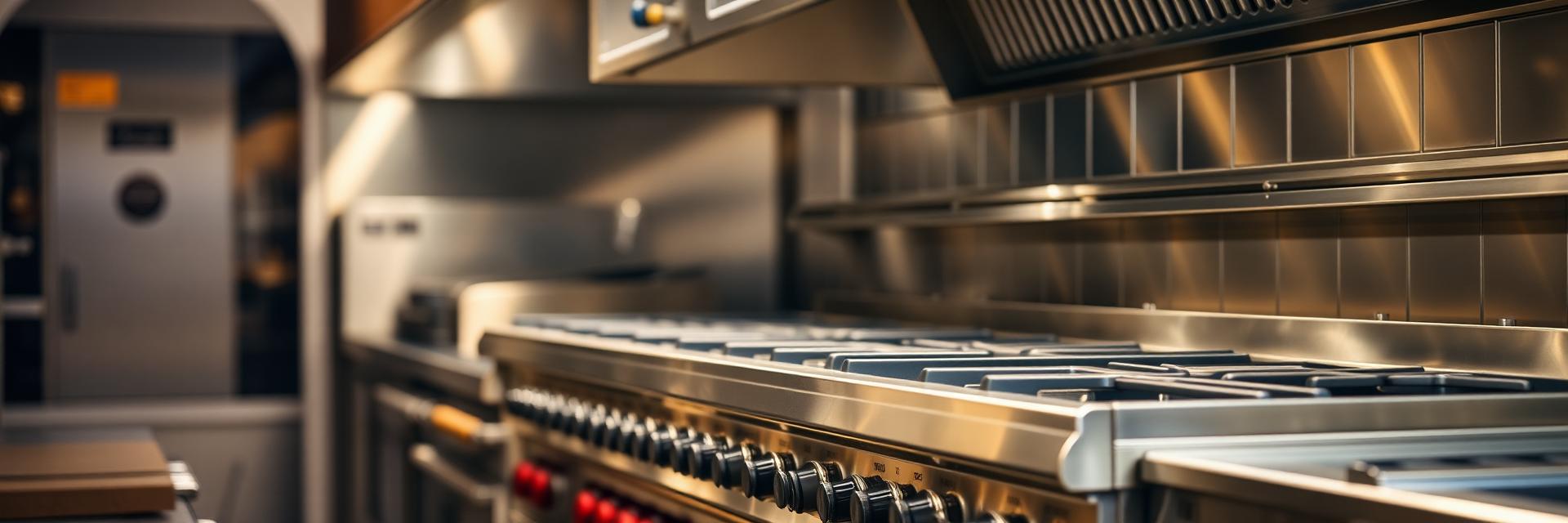
The Standards Behind Commercial Kitchen Gas Regulations
Commercial kitchen gas regulations aren't contained in one single piece of legislation; instead, several overlapping standards and regulations apply together. BS 6173 is the key British Standard covering the installation of gas-fired catering appliances, setting out requirements for appliance connections, ventilation, and flueing where applicable. This sits alongside the general Gas Safety (Installation and Use) Regulations that apply to all gas work, and building and ventilation guidance relevant to commercial kitchens.
Because these requirements interact - for example, ventilation design affects how much combustion air is available, which in turn affects appliance safety - commercial kitchen installations are usually assessed as a whole system rather than appliance by appliance.
Ventilation Requirements in Commercial Kitchens
Adequate ventilation is central to commercial kitchen gas regulations because gas catering appliances need sufficient air for safe combustion and to remove products of combustion and cooking fumes. BS 6173 sets out ventilation rate guidance based on the total heat input of the appliances installed, and kitchens typically need a combination of extract ventilation (often through a canopy) and makeup air to replace what's extracted.
Where extract ventilation is interrupted - for example if an extraction fan fails or a canopy isn't running - this can affect the safety of gas appliances relying on that ventilation, which is one of the reasons gas interlock systems are often used in commercial kitchens.
Gas Interlock Systems
What a Gas Interlock Does
A gas interlock system is designed to shut off the gas supply to catering appliances if the kitchen's extract ventilation isn't running correctly, helping to ensure appliances aren't used without adequate ventilation.
When Interlocks Are Typically Required
Whether an interlock is required can depend on the specific kitchen layout, insurer requirements, local authority conditions, or the preferences set out in risk assessments; it's worth checking with your insurer, landlord or local authority whether an interlock is expected for your premises.
Appliance Installation Requirements Under BS 6173
BS 6173 covers matters such as appliance spacing, clearances from combustible materials, flueing arrangements for appliances that need them, and the installation of gas connections including bayonet fittings or fixed pipework with isolation valves. Catering appliances also need appropriate commissioning and testing once connected, including tightness testing of the pipework serving them.
Staying Compliant With Commercial Kitchen Gas Regulations
Keeping a commercial kitchen compliant generally means using a Gas Safe registered engineer with the relevant catering category for installation and servicing work, maintaining up-to-date safety records for all appliances, and reviewing ventilation and interlock arrangements whenever the kitchen layout or appliance mix changes. If you're planning a new kitchen fit-out or replacing appliances, it's worth involving a gas engineer early so ventilation and gas supply can be designed together.
Common Compliance Gaps in Commercial Kitchens
Some of the most common issues found during inspections relate to extraction systems not matching the current appliance load after equipment has been added or changed, gas interlock systems that have been bypassed or left disconnected after maintenance, and appliances installed without the clearances from combustible materials that BS 6173 specifies. These issues often develop gradually as a kitchen's equipment changes over time, rather than being present from day one, which is one reason periodic review of commercial kitchen gas regulations compliance is worthwhile even for an established kitchen.
Working With Kitchen Fit-Out and Catering Equipment Suppliers
When a kitchen is being fitted out or re-equipped, it helps to involve a gas engineer alongside the catering equipment supplier and ventilation installer, so that appliance heat input, extraction capacity and gas pipework sizing are considered together from the outset. Retrofitting ventilation or gas supply after appliances are already installed is usually more disruptive and costly than planning these elements together as part of the original fit-out.
Reviewing Compliance After Kitchen Changes
Any time a commercial kitchen's equipment changes - a new appliance added, an old one removed, or layout altered during a refit - it's worth reviewing whether the existing ventilation and interlock arrangements still match the current heat input and appliance mix. What was compliant for a smaller line-up of appliances may no longer provide adequate ventilation once additional equipment is installed, and commercial kitchen gas regulations compliance should be reassessed rather than assumed to carry over automatically from the original installation.
Understanding Commercial Kitchen Gas Regulations: frequently asked questions
What standard covers commercial kitchen gas regulations for appliance installation?
- BS 6173 is the main British Standard covering the installation of gas-fired catering appliances, alongside general gas safety regulations that apply to all gas work.
Do all commercial kitchens need a gas interlock system?
- Not necessarily - whether an interlock is required can depend on the kitchen layout, insurer or local authority requirements, so it's worth checking what applies to your premises.
How does ventilation relate to commercial kitchen gas regulations?
- Gas catering appliances need adequate ventilation for safe combustion and fume extraction, and BS 6173 includes guidance on ventilation rates based on appliance heat input.
Who can install gas catering appliances under these regulations?
- Installation should be carried out by a Gas Safe registered engineer holding the relevant commercial catering category for the appliances involved.
How do I check my kitchen meets commercial kitchen gas regulations?
- Call 0208 935 5572 and we can review your kitchen's appliances, ventilation and interlock arrangements against the relevant standards.
Need a commercial gas engineer in London?
Gas Safe registered commercial engineers, 24 hours a day. Call now or book online and we'll confirm a time.