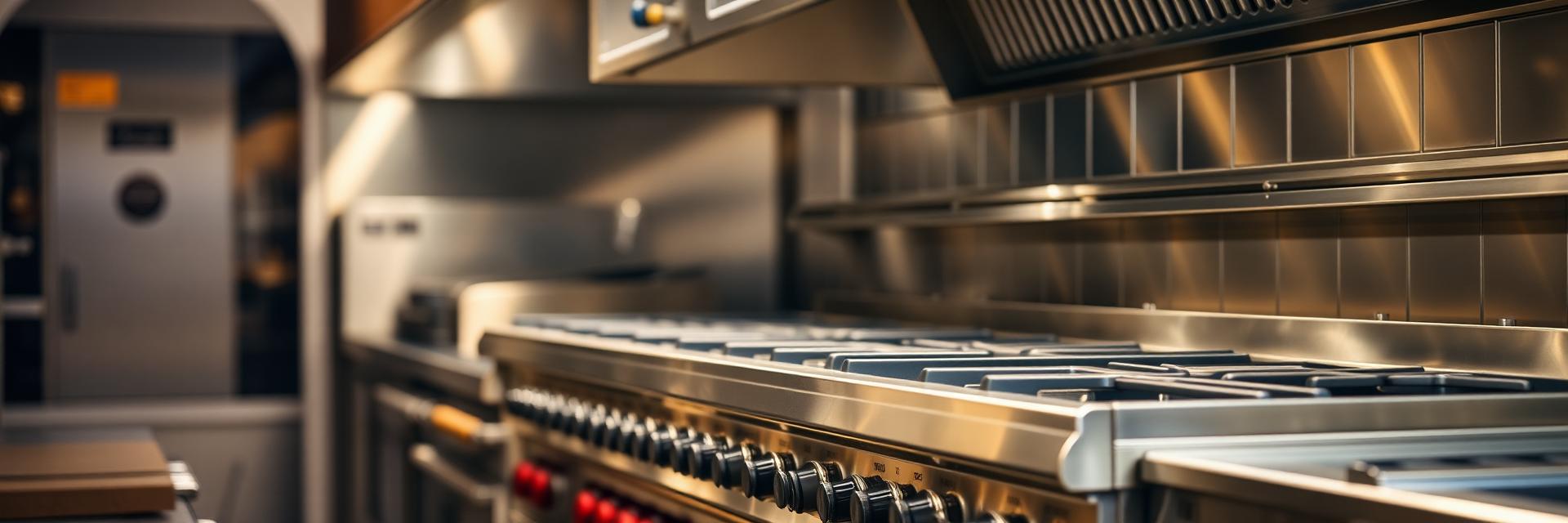
Lpg gas safety certificate for catering trailer: Why Catering Trailers Need an LPG Gas Safety Certificate
Many event organisers, local authorities and site operators ask mobile caterers to provide an LPG gas safety certificate for catering trailer equipment before allowing them to trade, as a way of showing the gas installation has been checked by a qualified engineer. This typically covers the LPG cylinders, the pipework connecting them to the trailer, the regulators, and the catering appliances - ranges, fryers, griddles - fitted inside.
Because mobile units move between locations and are often exposed to vibration, knocks and varying weather, periodic checks of connections, hoses and ventilation are particularly relevant compared with a fixed installation that stays in one place.
What's Checked During the Inspection
Cylinder Storage and Changeover
Checking that cylinders are stored securely, upright, with appropriate ventilation, and that changeover arrangements (where fitted) are working correctly.
Pipework, Hoses and Regulators
Inspecting flexible hoses for wear, cracking or perishing, checking pipework connections, and confirming regulators are the correct type and rating for the installation.
Tightness Testing
A tightness test of the LPG pipework to check for leaks, carried out as part of the inspection before appliances are confirmed as safe to use.
Appliance Checks
Visual and operational checks of each catering appliance connected to the LPG supply, including flame picture, ventilation around the appliance and any safety devices fitted.
How Often a Catering Trailer Certificate Should Be Renewed
There's no single universal renewal period written into one rule for mobile catering LPG checks, and requirements can vary between event organisers, local authorities and insurers; many ask for an annual check similar to other gas safety inspections, but it's worth confirming the specific requirement with whoever is requesting the certificate before your event.
Who Needs to See the Certificate
Event organisers, festival operators, local authority licensing teams and some private venues commonly ask to see a current LPG gas safety certificate for catering trailer units before allowing a trader to connect and cook on site. Keeping an up-to-date certificate, along with any relevant risk assessment, helps avoid being turned away or delayed on the day.
Arranging a Catering Trailer Gas Safety Check
To arrange an LPG gas safety certificate for catering trailer equipment, we'll need to know the number of appliances fitted, the cylinder arrangement, and where the trailer is based or will be when inspected. We can discuss timing around your event or trading schedule when booking.
Preparing Your Trailer for Inspection
Before an LPG gas safety certificate for catering trailer inspection, it helps to have the trailer accessible with cylinders connected as they would be in normal use, any stored spare cylinders clearly separated, and appliances free of clutter so the engineer can check connections and ventilation without having to move equipment first. If any appliance has a known issue, flagging it before the visit can save time on the day.
It's also worth having any previous certificates or service records available, since these can help the engineer understand the trailer's history and flag anything that's changed since the last inspection, such as a replaced appliance or altered pipework run.
What Happens If a Fault Is Found
If the engineer identifies a fault during the LPG gas safety certificate for catering trailer inspection - a worn hose, an incorrectly rated regulator, or an appliance with a ventilation issue - this will usually be explained along with options for remedial work. Depending on the severity, an appliance may need to be isolated until it's fixed, which is a safety decision rather than a way to generate extra work, and should be recorded clearly on the paperwork provided.
Insurance and Certification for Mobile Catering
Many mobile catering insurance policies either require or strongly recommend a current LPG gas safety certificate for catering trailer equipment as a condition of cover, since insurers want evidence that the gas installation has been checked by a competent, Gas Safe registered engineer. It's worth checking your policy wording directly, since requirements can vary between insurers and some may specify a particular renewal interval or documentation format that needs to be met for a claim to be valid.
Keeping your certificate, along with photographic evidence of the trailer's layout and any gas safety risk assessment, in an easily accessible format - whether printed or digital - means you can present it quickly if asked by an event organiser, local authority officer or insurer representative on the day.
LPG Gas Safety Certificate for a Catering Trailer: frequently asked questions
What does an LPG gas safety certificate for catering trailer cover?
- It typically covers the LPG cylinders, pipework, regulators and catering appliances fitted to the trailer, checked by a Gas Safe registered engineer.
How often should a catering trailer's LPG certificate be renewed?
- There's no single fixed rule, though many event organisers and operators ask for an annual check; it's worth confirming the specific requirement with whoever requests the certificate.
Do event organisers always ask for an LPG gas safety certificate?
- Many do, particularly for festivals and managed events, as a condition of allowing a catering trailer to connect and trade on site.
Does the certificate cover flexible gas hoses on the trailer?
- Yes, hoses and flexible connections are generally checked for wear, cracking or perishing as part of the inspection.
How do I book an LPG gas safety certificate for my catering trailer?
- Call 0208 935 5572 with details of your trailer's appliances and cylinder setup and we'll arrange an inspection.
Need a commercial gas engineer in London?
Gas Safe registered commercial engineers, 24 hours a day. Call now or book online and we'll confirm a time.