Gas Testing Marylebone
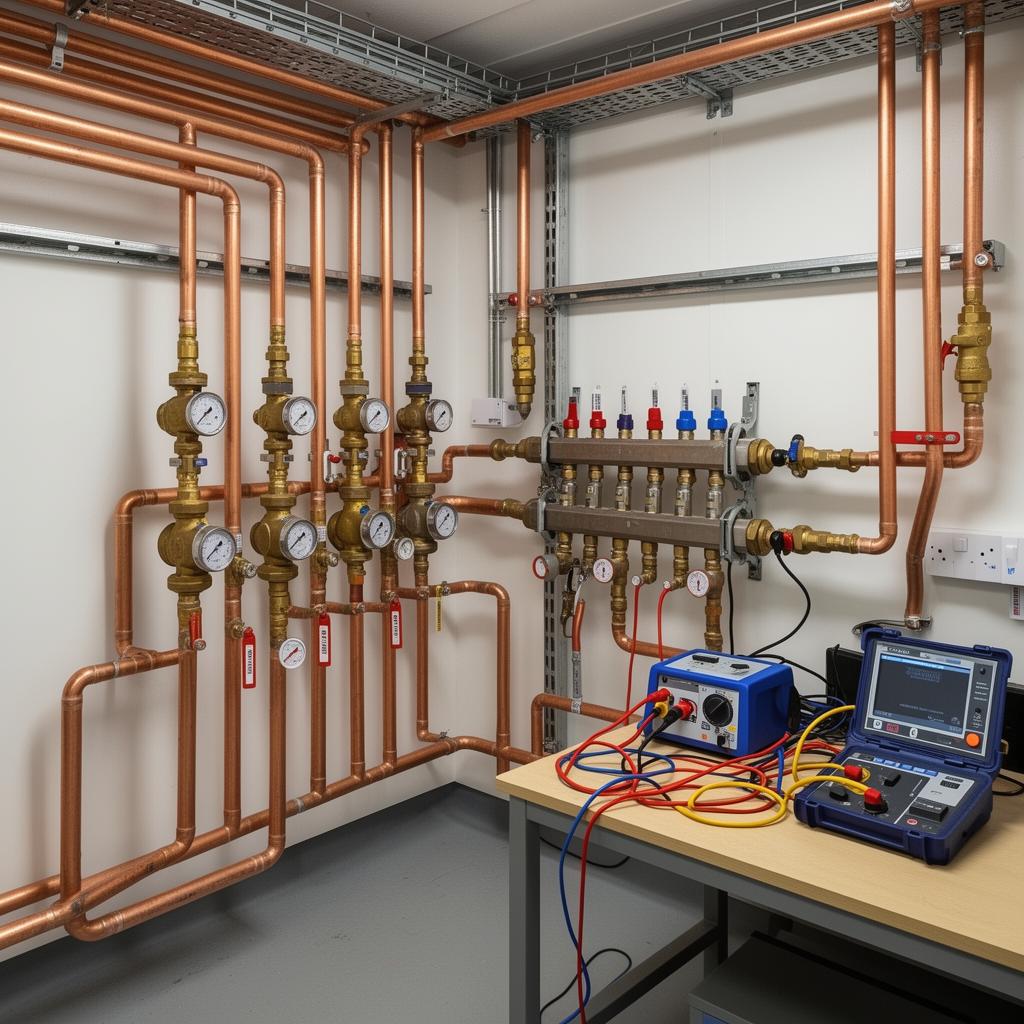
Commercial gas testing establishes whether an installation is sound and whether connected appliances operate safely within the agreed inspection scope. It can include pipework tightness testing, operating pressure checks, appliance safety checks and combustion analysis. The required tests depend on the installation, appliance types and reason for the visit.
Marylebone has a varied commercial building stock: restaurants around Marylebone High Street, hotels near Baker Street and Gloucester Place, and consulting rooms around Harley Street. A basement kitchen in a converted terrace presents different testing and isolation arrangements from a dedicated plant room. Tell us what equipment you have, where it is located and whether other occupiers share the building.
Marylebone Premises and Postcodes
We cover Marylebone addresses within the City of Westminster, including W1U, W1G and NW1 locations. Give the full postcode and entrance details when arranging attendance, particularly where service access differs from the public address.
What Commercial Gas Testing Checks
Pipework tightness testing checks for leakage under specified test conditions. Before testing, the engineer identifies the installation boundaries, meter arrangements, pipework volume and connected equipment. The selected procedure determines test pressure, stabilisation and test duration; one fixed method is not suitable for every commercial system.
Appliance checks may include inlet and operating pressures, gas rates where appropriate, flame supervision, ventilation provision, flue condition and combustion performance. Accessible emergency controls and appliance isolation valves are also relevant. A pipework test alone does not establish that every appliance is safe, so the agreed scope should distinguish installation testing from appliance inspection.
Testing Marylebone Commercial Kitchens
For restaurant kitchens, checks can include gas interlocks associated with mechanical extraction, where fitted or required, and safe shutdown operation. Access to cookers, ovens and other gas appliances must allow examination without assuming concealed connections are sound.
Gas Safety Regulations and Technical Standards
Work is assessed against the Gas Safety (Installation and Use) Regulations 1998, as amended, where applicable, alongside relevant standards and manufacturer instructions. These regulations address matters including competence, safe installation and maintenance duties. Requirements differ between landlord-controlled accommodation, commercial workplaces and particular industrial premises; the legal position depends on the use and installation concerned.
Relevant IGEM/UP procedures guide non-domestic gas work. IGEM/UP/1 and its applicable companion standards address tightness testing and purging, with the correct procedure selected for the installation. IGEM/UP/2 concerns installation pipework, while IGEM/UP/19 addresses interlocks used with gas appliance systems. Applicability must be checked rather than treating every standard as necessary for every visit.
Gas Safe registration must cover the work undertaken. Commercial catering, commercial heating and different gas types require relevant competence categories. Ask to see the engineer’s current Gas Safe ID card and check its listed categories before work begins.
Gas Safety Records for Marylebone Businesses
The paperwork should match the work completed. A tightness test report records the test scope, conditions and results; it is not automatically a complete appliance safety record. Inspection documentation should identify equipment examined, relevant findings, defects and any limitations caused by inaccessible areas or appliances that could not be tested.
CP42 is a commonly used commercial catering gas safety certificate designation. CP17 is commonly used for a non-domestic gas installation safety report. CP12 commonly refers to a landlord gas safety record, principally associated with rented accommodation. These form names are not interchangeable, and issuing a form does not remove responsibility for addressing recorded defects.
Records for Mixed-Use Marylebone Buildings
Where a shop or restaurant sits beneath flats, establish which meter, pipework and appliances serve each occupier. Commercial testing does not automatically discharge a residential landlord’s separate duties. Provide existing records and clarify responsibility with the owner or managing agent.
Planning Access Around Marylebone
Properties near Manchester Square, Portman Square and Marylebone High Street can include older terraces, converted townhouses and basement commercial spaces. Before attendance, identify meter cupboards, plant rooms, kitchen isolation points and any locked communal areas. If testing requires an interruption to the gas supply, agree this with affected occupiers and allow for safe checks before appliances return to use.
Much of Marylebone includes conservation areas, and individual buildings may be listed. Testing does not itself usually require alterations, but remedial changes to external flues or visible pipework may need consent. Confirm any necessary permissions before changes are undertaken.
Westminster parking and loading restrictions vary by street and signage. On busy routes such as Baker Street and Marylebone Road, provide accurate loading information rather than assuming parking outside is available. Advise us about delivery windows, stairs, basement access and building-management booking requirements.
When to Arrange Testing and Handle Defects
Arrange testing when required for commissioning, alterations or recommissioning, and when a suspected leak or unexplained pressure issue needs investigation. Planned safety inspections also support ongoing maintenance duties. Frequency depends on the premises, equipment, manufacturer guidance and applicable legal duties; there is no single annual certificate rule covering every commercial gas installation.
If you smell gas or suspect an escape, stop using gas appliances, avoid flames and do not operate electrical switches. Leave the affected area and call the National Gas Emergency Service on 0800 111 999 from a safe place. Isolate the supply only if safe to do so. Do not wait for a routine appointment.
Unsafe situations are handled under the applicable gas industry unsafe situations procedure. This may require isolation or disconnection, with permission where required. Defects and restrictions should be explained clearly, and affected equipment must not be reused until made safe.
Book Gas Safe Testing in Marylebone
For gas safe testing marylebone, call 0208 935 5572. We are open 24 hours a day, seven days a week. Explain whether you need a planned commercial inspection, pipework testing, catering appliance checks or investigation of a gas safety concern. Appointment availability and the testing scope are confirmed when you contact us.
Have your postcode, appliance list, gas type and existing safety documentation available if possible. Mention shared supplies, basement kitchens, rooftop gas plant or restricted meter access so that the visit can be planned appropriately.
Before work starts, confirm what will be tested, any expected supply interruption and the documentation required by your landlord, managing agent or insurer. After testing, review recorded limitations and remedial recommendations. A satisfactory result applies to the equipment and conditions examined; it is not a guarantee against future faults.
Gas Testing in Marylebone: frequently asked questions
What does gas testing marylebone include?
- It depends on the agreed scope. Testing may cover installation tightness, appliance operating pressures, combustion, ventilation, flues and safety controls. Tell us whether you require pipework testing, appliance safety checks or both so the documentation accurately reflects the work.
Can you test gas installations in Marylebone basement restaurants?
- Yes, subject to safe access and the installation being within the engineer’s competence categories. Basement premises require attention to ventilation, flue arrangements, isolation points and access to appliances. Explain any shared building access or restricted kitchen working hours when booking.
Does every commercial property need a CP12?
- No. CP12 commonly describes a landlord gas safety record, not a universal commercial certificate. Commercial catering or other non-domestic installations need documentation appropriate to their equipment, inspection scope and duties. Residential accommodation within the same building may have separate requirements.
Are you open outside normal business hours?
- Yes. Call 0208 935 5572, 24 hours a day, seven days a week, to discuss attendance. Opening hours do not guarantee immediate arrival. For a suspected gas escape, follow emergency precautions and contact the National Gas Emergency Service first.
Need a commercial gas engineer in London?
Gas Safe registered commercial engineers, 24 hours a day. Call now or book online and we'll confirm a time.