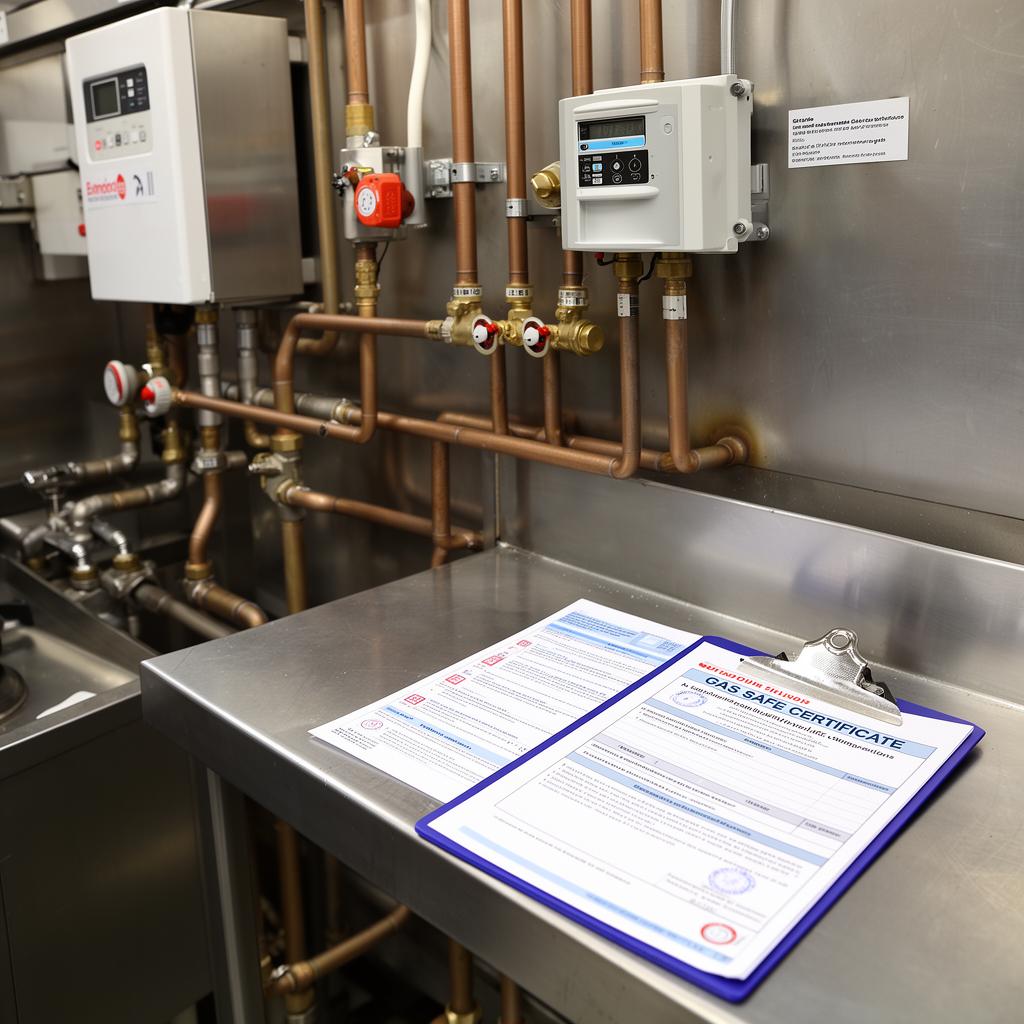
Why commercial gas tightness test times vary
Every tightness test has two phases: a stabilisation period, where the test pressure is allowed to settle so that temperature and gas density effects stop influencing the gauge, followed by the test period itself, during which the engineer watches for any drop in pressure that would indicate a leak. Neither phase is a quick glance at a dial — both are timed deliberately.
The length of each phase is linked principally to the volume of pipework being tested and to the resolution of the gauge being used. A small branch serving a single appliance behaves very differently under test to a large diameter riser feeding multiple floors of a commercial building, and the testing regime has to reflect that difference if the result is to mean anything.
Installation volume and test duration
Larger installation volumes take longer to stabilise because there is more gas in the system responding to small temperature changes, and a larger volume also means that a given leak rate produces a smaller, slower pressure drop on the gauge. IGEM/UP/1 sets out tables relating pipework volume to minimum stabilisation and test periods, and your engineer will reference the current edition of that guidance rather than guessing at a duration.
If you want an indicative figure for your own site before an engineer attends, our tightness testing calculator takes basic pipework details and gives you a starting point, though the engineer's on-site reading of the gauge and the relevant standard always governs the actual test carried out.
Gauge readable movement and sensitivity
The test duration is also set with reference to the smallest pressure change the gauge can reliably show — referred to as the readable movement. A coarse gauge needs longer exposure to a given leak before the drop becomes visible, while a sensitive manometer or digital gauge can sometimes resolve a result in less time. Engineers select gauges appropriate to the installation and apply the matching duration from the standard.
Meter type and its effect on timing
The meter installed on a supply also affects how a test is approached. Diaphragm meters, rotary meters and larger turbine or ultrasonic meters each have different internal volumes and different behaviour under test pressure, and some meters incorporate a let-by valve or test point that changes how the engineer isolates the meter from the installation during the test.
On larger commercial supplies with industrial meters, the meter itself may need to be isolated or bridged so that the test reflects only the site pipework rather than the meter's own internal volume, which again has a bearing on how long preparation and stabilisation take before the clock starts on the test period itself.
The stabilisation period in practice
During stabilisation, the system is pressurised and then left, with no readings taken for the purpose of the result. This allows the temperature of the gas to equalise with its surroundings after being compressed or let into the pipework, since a temperature change alone can move a gauge and would otherwise be mistaken for a leak.
Engineers typically use this time productively — checking fittings visually, confirming isolation valves are correctly set, and preparing paperwork — but the pressure itself is left undisturbed until the stabilisation period required for that volume of pipework has elapsed.
The let-by test and what it checks
A let-by test checks whether a valve that should be fully closed — commonly an appliance isolation valve or an emergency control valve — is actually holding pressure, rather than allowing gas to pass or 'let by' around its seat. This is a distinct check from the overall tightness test of the pipework, though both are commonly carried out during the same site visit.
Where a let-by is identified, the valve will usually need to be serviced or replaced before the installation can be confirmed safe to use, and the engineer will record the finding alongside the main tightness test result.
What affects how long your test takes on the day
Beyond the technical factors in the standard, practical issues on site also influence how long a commercial gas tightness test takes: access to isolation points, the number of appliances to be isolated individually, whether multiple sections of pipework need testing separately, and whether a fault is found partway through and needs investigating before testing can resume.
If you are planning a shutdown or access window for testing, it is worth discussing the likely scope with the engineer in advance so that reasonable time is allowed, particularly on larger or more complex commercial installations.
Booking a tightness test
Our engineers carry a range of gauges suited to different installation sizes and apply the stabilisation and test durations set out in the current edition of IGEM/UP/1 for the volume and gauge combination on your site. Call 0208 935 5572 to arrange a visit, or use the calculators to get an informal idea of scope beforehand.
Commercial Gas Tightness Test Times Explained: frequently asked questions
What determines commercial gas tightness test times?
- Commercial gas tightness test times are determined mainly by the volume of the pipework under test and the readable movement of the gauge being used, following the tables in the current edition of IGEM/UP/1.
Is the stabilisation period part of the test duration?
- No, stabilisation is a separate period before the test proper begins, allowing temperature effects to settle so the subsequent pressure drop reading reflects leakage rather than thermal movement.
Does meter type change the test time?
- It can, since different meter types have different internal volumes and may need to be isolated or bridged, which affects preparation time and how the overall pipework volume is calculated for the test.
Can I estimate my test duration before the engineer arrives?
- Our online calculator for tightness testing gives an indicative duration based on pipework volume, though the figure applied on site always follows the engineer's reading of the standard for your installation.
Need a commercial gas engineer in London?
Gas Safe registered commercial engineers, 24 hours a day. Call now or book online and we'll confirm a time.