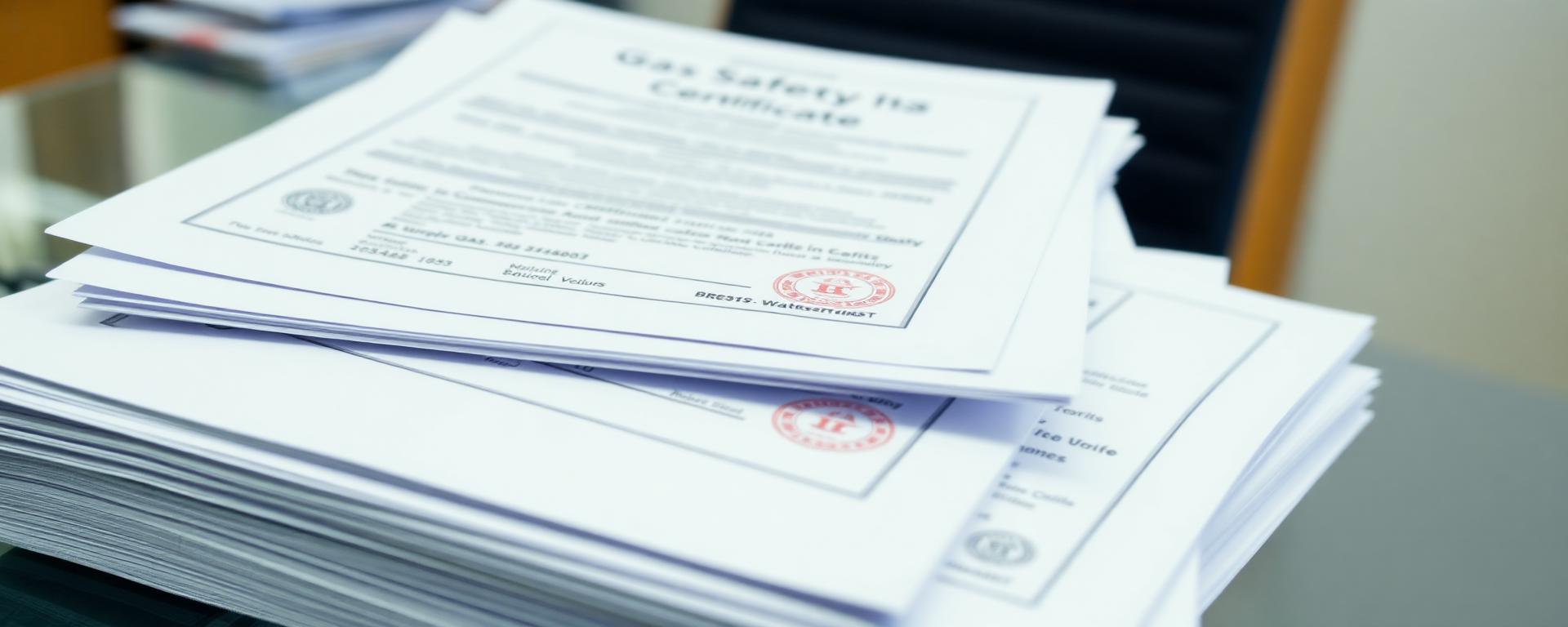
Commercial Gas Certificates Notting Hill
Commercial gas certification starts with establishing what your premises use gas for, who controls the installation and which appliances need inspection. A restaurant kitchen on Portobello Road has different requirements from a gas boiler serving offices above a shop on Notting Hill Gate. The inspection and documentation should reflect that distinction.
The service covers commercial gas safety checks, appliance testing and clearly recorded findings. Where defects prevent a satisfactory outcome, the engineer explains the issue and the gas work required before any satisfactory record can be issued. A certificate is evidence of the checks completed, not a substitute for ongoing maintenance.
Matching Notting Hill Premises to the Right Inspection
When booking, provide the business address, appliance types and any existing gas safety records. Explain whether the gas supply serves only your unit or also supplies other parts of the building.
Gas Safety Duties for Notting Hill Businesses
The Gas Safety (Installation and Use) Regulations 1998 set duties concerning gas fittings, maintenance and safe use, subject to their scope and exemptions. Employers must maintain gas appliances, installation pipework and flues under their control in a safe condition. Commercial landlords and tenants should establish responsibilities through the lease and applicable legislation rather than assuming one party handles everything.
The annual landlord gas safety check under regulation 36 applies to relevant residential accommodation; it should not be presented as a blanket annual certification rule for every commercial unit. Business premises still require an appropriate maintenance and inspection regime, informed by equipment instructions, use, risk and any insurer or lease requirements.
In mixed-use Notting Hill buildings, a commercial kitchen downstairs and accommodation above may involve different duties. Identify the supply boundaries and appliance ownership before commissioning checks so that neither the commercial nor residential arrangements are overlooked.
What the Commercial Gas Inspection Covers
The inspection scope is agreed around the appliances and installation. Relevant checks can include appliance identification, condition, safe operation, operating pressure, heat input, flame supervision and combustion analysis where appropriate. The engineer also assesses combustion air provision, accessible flue arrangements and whether products of combustion discharge safely.
Gas installation tightness testing and purging, where required, must follow procedures appropriate to the installation’s size, operating pressure and configuration. Relevant standards can include IGEM/UP/1 or IGEM/UP/1A for testing and purging, and IGEM/UP/2 for installation pipework. These are not interchangeable checklists: the applicable procedure depends on the system.
Access to isolation valves, appliances, meters and relevant flue routes matters. Concealed sections or inaccessible equipment can limit what is verified, and those limitations should be recorded. Any unsafe situation is handled using the current Gas Industry Unsafe Situations Procedure, with immediate safety measures explained to the responsible person.
CP17, CP42 and Commercial Catering Gas Records
CP17 is a commonly used designation for a non-domestic gas safety record, while CP42 commonly refers to a commercial catering gas safety inspection record. The form selected must match the installation and checks undertaken. These labels are not universal statutory certificate titles, and different recording systems may use different layouts.
For restaurants, cafés and other catering premises, the inspection considers the gas appliances alongside the ventilation and safety arrangements needed for their operation. BS 6173 is relevant to gas-fired catering installations. Where fitted or required, the gas interlock must prevent gas use when the necessary ventilation conditions are not met; relevant IGEM/UP guidance may also apply.
Notting Hill Kitchens and Gas Interlocks
Tell the engineer about gas ranges, fryers, griddles and ovens, including recently replaced equipment. Appliance changes can affect gas demand, pipework capacity and the suitability of existing gas safety controls.
Planning Access Around Portobello Road and Westbourne Grove
Notting Hill’s business mix includes restaurants, cafés, pubs, shops and offices, often within terraced or converted buildings. Portobello Road’s market activity can complicate deliveries and access, while premises around Westbourne Grove and Ledbury Road may have limited space for equipment unloading. Share the actual service entrance rather than relying solely on the public-facing address.
Much of the area uses W11 postcodes, with W2 addresses towards its eastern side. Supply the full postcode and confirm the borough where necessary, particularly around administrative boundaries. For premises in the Royal Borough of Kensington and Chelsea, check current parking restrictions, loading arrangements and any market-related access controls before the visit.
Meters and isolation points may be in basements or shared cupboards. Arrange keys and permission to enter communal areas. Notting Hill Carnival can also affect local access, so bookings around the event need particular attention to current road arrangements.
Gas Boilers, Flues and Conservation Constraints
Commercial gas certification is not limited to catering. Gas boilers serving business premises need checks appropriate to their type, output and installation. Where several appliances share a supply, the engineer may need to assess operating pressures under load rather than considering each appliance in isolation.
Notting Hill includes conservation areas, including the Ladbroke Conservation Area, and buildings with historic façades. If remedial gas work involves a new flue terminal or an external pipework route, planning controls or listed-building requirements may be relevant. Conservation status does not remove the need for safe combustion or an adequate flue.
For converted terraces near Ladbroke Grove or Kensington Park Road, explain whether flue routes pass through another occupier’s space. Safe access and necessary permissions should be established before work begins. Where a route cannot be inspected, the report should identify the limitation rather than imply it has been checked.
Book a Commercial Gas Certificate Inspection
Call 0208 935 5572 to discuss your premises and arrange an inspection. The business is open 24 hours, seven days a week. Appointment availability and the required inspection scope are confirmed when you call; opening hours are not a promise of immediate attendance.
Have your appliance list, previous records and site contact details ready. Mention trading hours, shared supplies and any known gas faults. Some tests require appliances to be stopped or the gas supply isolated, so agree a suitable interruption with the person responsible for the premises.
Check the attending engineer’s Gas Safe ID card and relevant commercial categories. Registration alone does not mean every engineer is qualified for every appliance.
Commercial Gas Certificates in Notting Hill: frequently asked questions
Which record do I need for commercial gas certificates notting hill?
- It depends on the installation. A catering kitchen commonly needs a CP42-type record, while other non-domestic installations may use a CP17-type record. Confirm appliance types and the purpose of the inspection when booking.
Can you inspect a Notting Hill restaurant outside trading hours?
- Call 0208 935 5572 to discuss scheduling. The business is open 24/7, but appointment availability must be confirmed. Allow for gas isolation and access to every appliance included in the inspection.
What happens if a gas appliance is unsafe?
- The engineer explains the finding and follows the applicable unsafe situations procedure. An affected appliance may need isolation. Remedial gas work and further testing may be necessary before a satisfactory record can be issued.
Does a commercial certificate cover flats above the business?
- Not automatically. The record covers only its stated inspection scope. Residential appliances and landlord duties need separate consideration, even where the accommodation shares a building with the commercial premises.
Need a commercial gas engineer in London?
Gas Safe registered commercial engineers, 24 hours a day. Call now or book online and we'll confirm a time.