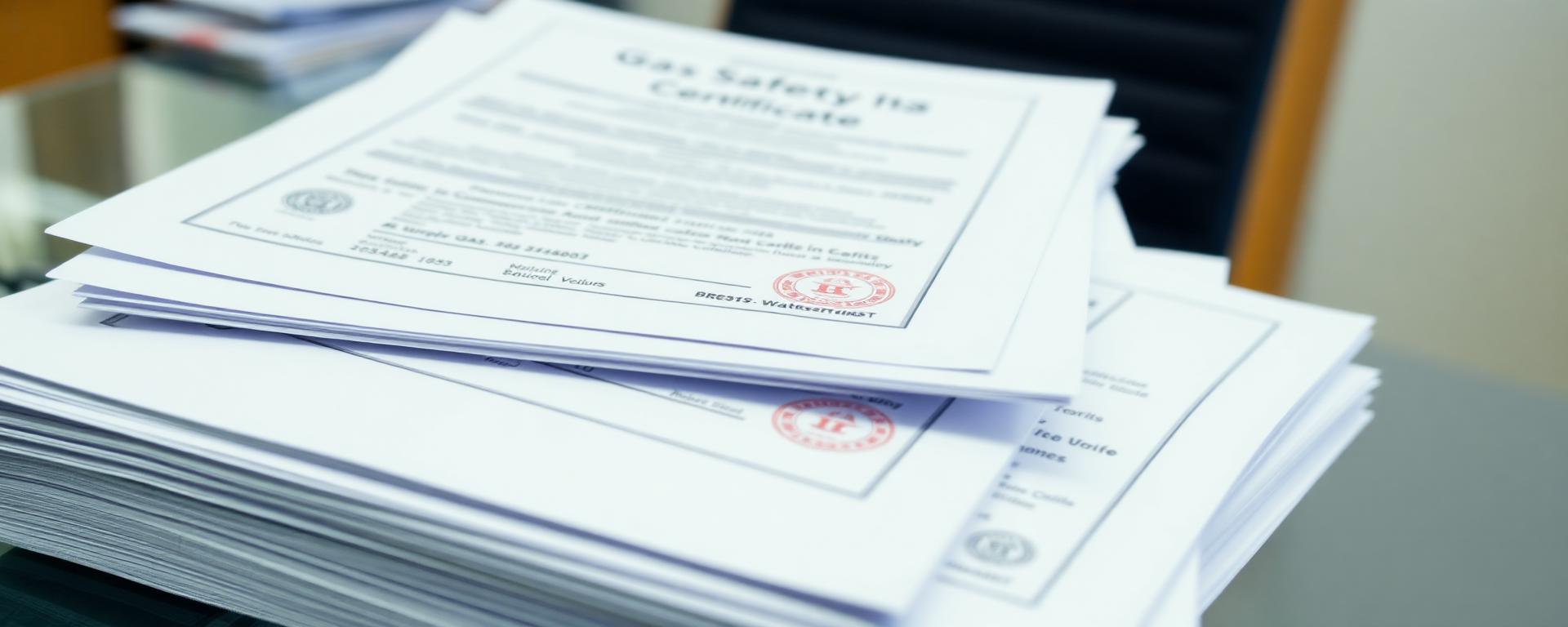
Commercial Gas Certificates Lambeth
Commercial gas certification should match the premises, appliances and purpose of the inspection. A restaurant kitchen on Kennington Road requires a different assessment from a commercial boiler installation serving offices near Waterloo. We establish what equipment is present, how it is used and who needs the completed record before confirming the inspection scope.
The visit covers the agreed gas installation and appliances, with findings recorded clearly. Certification is not an automatic pass: unsafe conditions, inaccessible components or incomplete checks may prevent a satisfactory record. Any limitations and necessary gas remedial work should be explained so the responsible person knows what must happen next.
Gas Certification for Lambeth’s Business Premises
Lambeth includes busy hospitality areas around Waterloo and the South Bank, shops and restaurants along Brixton Road, and commercial premises on Clapham High Street and Streatham High Road. Its building stock ranges from older converted properties with basement kitchens to purpose-built buildings with dedicated gas plant rooms.
Lambeth Restaurants, Cafés and Catering Kitchens
For kitchens around Lower Marsh or Brixton, identify every gas-fired cooking appliance when booking. Range cookers, fryers, grills and ovens may have different inspection requirements. We also need to understand the kitchen’s ventilation arrangements and any gas safety interlock, rather than treating each appliance as an isolated item.
Lambeth Boiler Rooms and Shared Buildings
Hotels, offices, community buildings and mixed-use premises may have commercial boilers behind locked plant-room doors. Arrange access with the building manager and clarify which gas appliances belong to your business. Shared gas supplies and landlord-controlled areas can affect isolation arrangements and the inspection boundary.
Which Commercial Gas Safety Record Do You Need?
CP42 is a commonly used commercial catering gas safety inspection record. For non-domestic gas installations, a CP17 commercial gas safety record may be appropriate. These references describe industry documentation; they are not interchangeable certificates, and the correct record depends on the equipment, inspection scope and intended use.
CP12 commonly refers to a landlord gas safety record. It should not be assumed to cover every commercial installation simply because a property is rented. Tell us whether documentation is needed for a landlord, managing agent, insurer or licensing requirement, and provide any specification they have supplied.
Records should identify the inspected appliances, checks undertaken, results and defects or limitations. Keep them alongside previous gas inspection reports and servicing records. An inspection record documents the condition found during that visit; it does not guarantee future safety or replace maintenance.
UK Gas Regulations and Inspection Standards
The Gas Safety (Installation and Use) Regulations 1998 establish important duties concerning gas fittings, safe use and competent gas work, subject to their scope and exemptions. Employers and those controlling workplaces also have wider safety responsibilities. Gas work must be undertaken by appropriately competent engineers, with Gas Safe registration and qualifications covering the relevant commercial appliance categories.
Annual landlord gas safety checks apply where the specific landlord duties under the regulations are engaged. An annual certificate is not a universal statutory requirement for every commercial premises. Inspection and servicing intervals should reflect applicable duties, manufacturer instructions, risk assessment and any lease or insurer conditions.
Relevant IGEM/UP standards inform commercial gas work. IGEM/UP/1 addresses strength testing, tightness testing and direct purging of industrial and commercial gas installations; other documents apply to particular installation types. The engineer selects the applicable standard and procedure rather than applying a domestic test indiscriminately to commercial pipework.
What the Commercial Gas Inspection Covers
Depending on the agreed scope, checks can include appliance identification, condition, safe operation, operating pressures, gas rates or heat input, flame supervision and other safety devices. Flue arrangements, combustion air and combustion performance are assessed where applicable, using the appliance manufacturer’s requirements and relevant technical guidance.
Gas pipework, accessible joints, isolation points and emergency controls are considered within the inspection scope. Tightness testing requires an appropriate method for the installation’s volume, pressure and configuration. Access restrictions, shared supplies or unavailable appliances must be recorded rather than quietly excluded from an apparently complete assessment.
In catering premises, the gas safety assessment includes relevant ventilation and interlock arrangements. Where a dangerous condition is identified, the engineer follows the applicable unsafe situations procedure, explains the risk and takes appropriate action, which may include seeking permission to isolate affected equipment. A safety inspection is not necessarily a full appliance service.
Planning Access Across Lambeth
Give the full address and postcode rather than relying on the neighbourhood name. Lambeth premises include addresses in SE1 around Waterloo, SE11 around Kennington, SW2 and SW9 around Brixton, SW4 around Clapham and SW16 around Streatham. Postcode districts cross borough boundaries, so the exact location matters.
Loading restrictions, controlled parking and red-route controls on major roads can affect where an engineer may stop. Confirm any delivery entrance, loading bay or basement access before the visit. Near busy destinations such as Waterloo station and Brixton Market, allow for pedestrian activity and coordinate access with whoever holds the keys.
Listed buildings and premises in conservation areas may have constraints on external flue alterations. Certification does not itself authorise building changes; proposed gas remedial work involving the exterior may need separate consent checks.
Preparing Your Premises for Certification
Have previous gas records, appliance details and manufacturer instructions available where possible. Tell us about known faults, recent gas alterations and equipment that has been disconnected. Keep meters, emergency control valves, appliances and flue inspection points accessible without asking staff to dismantle gas equipment.
Plan for appliances to be switched off and operated during testing. Kitchens should coordinate inspection with food preparation, while premises using shared boiler plant should agree any interruption with the responsible manager. Someone authorised to discuss defects and approve further gas work should be available.
Book Your Lambeth Commercial Gas Inspection
Call 0208 935 5572 to discuss your premises, appliance list and required documentation. We are open 24 hours, seven days. Explain any access restrictions, operational deadlines or suspected gas faults when calling so the booking can be assessed properly. Availability and the inspection scope are confirmed before attendance; opening hours are not a guaranteed arrival time.
Commercial Gas Certificates in Lambeth: frequently asked questions
Who can issue commercial gas certificates in Lambeth?
- An appropriately qualified Gas Safe registered engineer can inspect and document commercial gas equipment within their competence. Check the engineer’s ID card for relevant commercial categories; domestic qualifications alone do not establish competence for every commercial appliance.
Can you inspect a Lambeth restaurant outside its trading hours?
- Call 0208 935 5572 to discuss a suitable appointment. We are open 24 hours, seven days, but attendance depends on availability. Arrange access and allow for cooking appliances to be unavailable during checks.
Does a gas safety inspection include repairs?
- Inspection and remedial work are separate scopes unless agreed otherwise. If defects are found, the engineer explains the findings and required action. Unsafe equipment may need isolation, with further checks after repairs before it returns to use.
What should I do if I smell gas?
- Stop using gas equipment. Avoid flames and electrical switches, leave the affected area and call the National Gas Emergency Service on 0800 111 999 from a safe location. Do not wait for a routine certification appointment.
Need a commercial gas engineer in London?
Gas Safe registered commercial engineers, 24 hours a day. Call now or book online and we'll confirm a time.