Commercial Gas Certificates Kensington
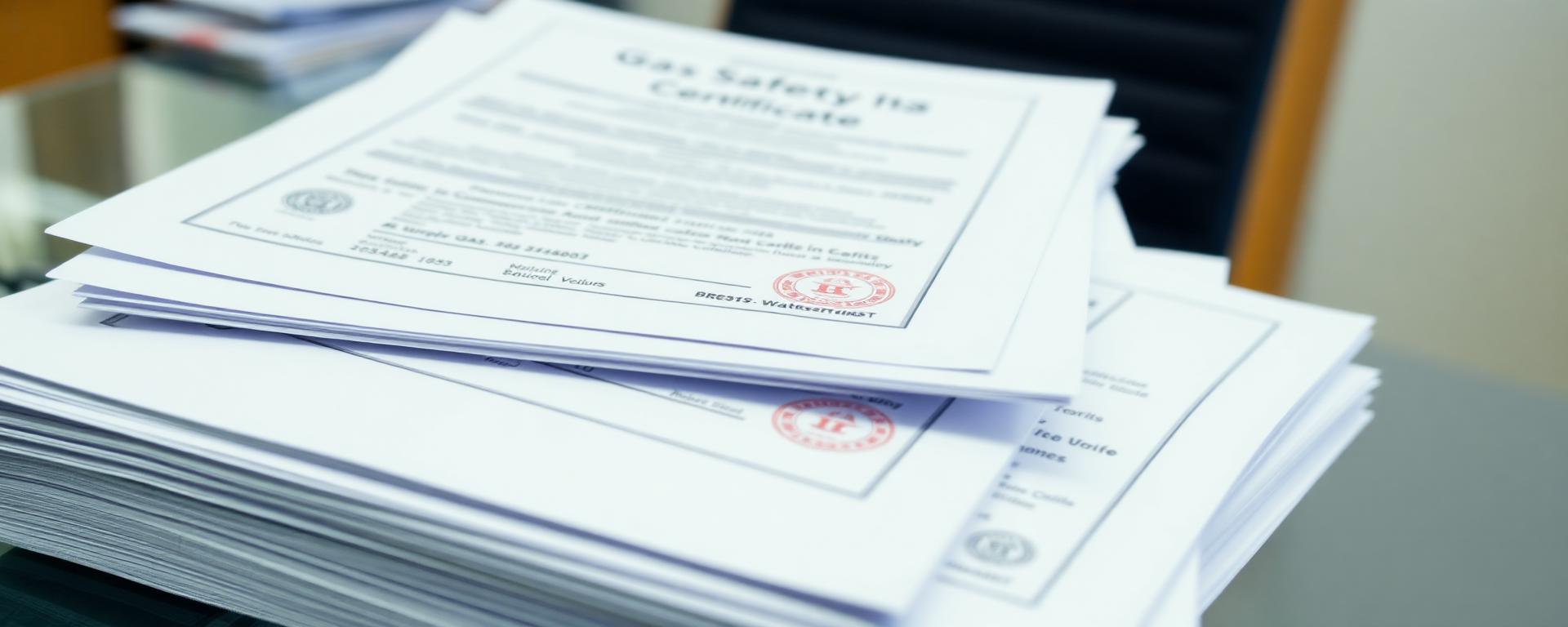
A commercial gas certificate records the findings of an inspection against the requirements relevant to your appliances, installation and premises. The correct document depends on whether you operate a catering kitchen, commercial boiler plant or another gas installation. A booking should identify the equipment and inspection scope rather than simply request a generic certificate.
Businesses searching for commercial gas safe certificates kensington may need paperwork for a landlord, managing agent, insurer or internal safety review. Explain who requires the record when booking. We can establish the appropriate inspection, check that the attending engineer holds the relevant Gas Safe categories, and explain any restrictions affecting completion.
Kensington Premises and Inspection Scope
Tell us whether the premises are a restaurant, hotel, shop with gas heating, office or managed building. Shared supplies and landlord-controlled plant rooms need particular attention when defining which appliances and pipework the inspection covers.
Gas Safety Responsibilities for Kensington Businesses
The Gas Safety (Installation and Use) Regulations 1998 are central to gas safety duties in Great Britain, although their application depends on the premises and activity. Employers and self-employed people must ensure applicable gas appliances, installation pipework and flues are maintained safely. A certificate does not replace maintenance or the duty to respond to defects.
Where the landlord gas safety check requirements apply, checks are normally required at intervals of no more than 12 months, subject to the regulations’ timing provisions. Do not assume every commercial lease creates the same annual certification requirement. Responsibilities should be checked against the actual use, tenancy arrangements and relevant legal duties.
Kensington Landlords and Managing Agents
For mixed-use buildings, establish who controls the commercial appliances, communal gas plant and any residential accommodation. Keep inspection records accessible, nominate someone to authorise remedial work, and agree how unsafe equipment will be taken out of service.
What the Commercial Gas Inspection Covers
The engineer assesses the installation within the agreed scope, including appliance identification, gas supply arrangements, accessible pipework, isolation, ventilation and flueing. Relevant checks can include operating pressures, gas rates, flame supervision, safety controls and combustion analysis where appropriate. Appliances must be accessible and available for testing under suitable operating conditions.
Gas tightness testing and purging, where required, must use procedures suited to the installation. Applicable IGEM/UP standards may include IGEM/UP/1 or IGEM/UP/1A for tightness testing and purging, and IGEM/UP/2 for installation pipework. The correct procedure depends on factors such as installation volume, pressure and pipework configuration, rather than postcode or business size.
Findings are explained before the record is completed. If a defect prevents safe operation, issuing paperwork does not make the appliance safe: restrictions, isolation or corrective work may be necessary.
Catering Certificates and Commercial Boiler Records
For restaurants, cafés and hotel kitchens around Kensington High Street and Gloucester Road, a CP42 is a commonly used commercial catering gas safety record. Inspection considers the gas appliances, relevant safety devices, ventilation provision and any required relationship between mechanical extraction and the gas supply. Applicable guidance includes BS 6173 and relevant IGEM standards.
Commercial heating installations need documentation appropriate to their boilers, burners and associated gas systems. CP17 forms are commonly used for non-domestic gas installation safety reporting, but form names can vary between providers. A CP12 is commonly associated with landlord gas safety records; it should not be treated as a universal substitute for commercial catering documentation.
Matching the Record to the Equipment
Send the appliance list, make and model details, and previous record if available. Gas Safe registration alone is not enough: the engineer must hold the categories appropriate to the appliances and work involved.
Planning Access Across Kensington
Kensington’s commercial premises include high-street retail units, restaurants, hotels and offices in converted townhouses. Locations around Kensington Church Street, Notting Hill Gate and Cromwell Road can have different access arrangements from larger premises near Kensington High Street. W8 and parts of W14 and SW7 are useful location references, but the full address is needed to plan attendance.
In the Royal Borough of Kensington and Chelsea, controlled parking, loading restrictions and limited kerbside space can affect access. Confirm any lawful loading point, rear service entrance, basement route and building-specific contractor requirements before the visit. Do not assume parking directly outside is available.
Listed buildings and conservation areas can constrain alterations to flue terminals or visible external gas pipework. If remedial work would change the building, establish whether listed building consent, planning permission or freeholder approval is needed before proceeding.
Preparing Your Premises and Understanding Results
Provide previous gas safety records, maintenance information and details of known faults. Make gas meters, emergency controls, appliances and inspection points accessible. For basement kitchens or restricted plant rooms, arrange keys and an authorised contact. Agree any shutdown with the business beforehand, particularly where cooking service or shared heating would be interrupted.
The record should identify the inspected equipment, checks undertaken, results and any defects or limitations. Areas that could not be accessed or tested should not be presented as checked. Ask for clarification if the record’s scope does not match the requirement from your landlord or insurer.
Unsafe situations are assessed using the recognised gas industry unsafe situations procedure. Depending on the findings, an appliance may require immediate cessation of use. Repairs and any necessary retesting must be completed before affected equipment is returned to service.
Book a Kensington Commercial Gas Inspection
Call 0208 935 5572, available 24 hours, seven days, to discuss your premises and certificate requirements. Have the postcode, business type, appliance details and preferred access window ready. Mention shared meters, catering extraction interlocks or landlord-controlled plant so the inspection can be scoped correctly. Attendance is subject to availability.
If you smell gas or suspect a leak, do not wait for a certification visit. Avoid flames and operating electrical switches, leave the affected area and call the National Gas Emergency Service on 0800 111 999 from a safe location. Follow their instructions.
Commercial Gas Certificates in Kensington: frequently asked questions
How do I book commercial gas certificates kensington?
- Call 0208 935 5572 with your address, appliance list and the reason the certificate is needed. Explain any access restrictions and whether the installation serves only your business or other occupiers.
Which certificate does a Kensington restaurant need?
- A CP42 commercial catering gas safety record is commonly appropriate. The engineer must confirm the equipment and inspection scope, including applicable ventilation and gas interlock checks, before identifying the correct documentation.
Does every commercial gas certificate last 12 months?
- No single expiry rule applies to every commercial gas record. Annual checks apply where the relevant landlord duties require them; other inspection intervals depend on legal duties, risk assessment, manufacturer guidance and contractual requirements.
Can a certificate be issued if an appliance fails?
- An inspection record can document defects, but it cannot declare unsafe equipment satisfactory. The engineer will explain the findings, necessary restrictions and corrective work, including whether further testing is needed before use resumes.
Need a commercial gas engineer in London?
Gas Safe registered commercial engineers, 24 hours a day. Call now or book online and we'll confirm a time.