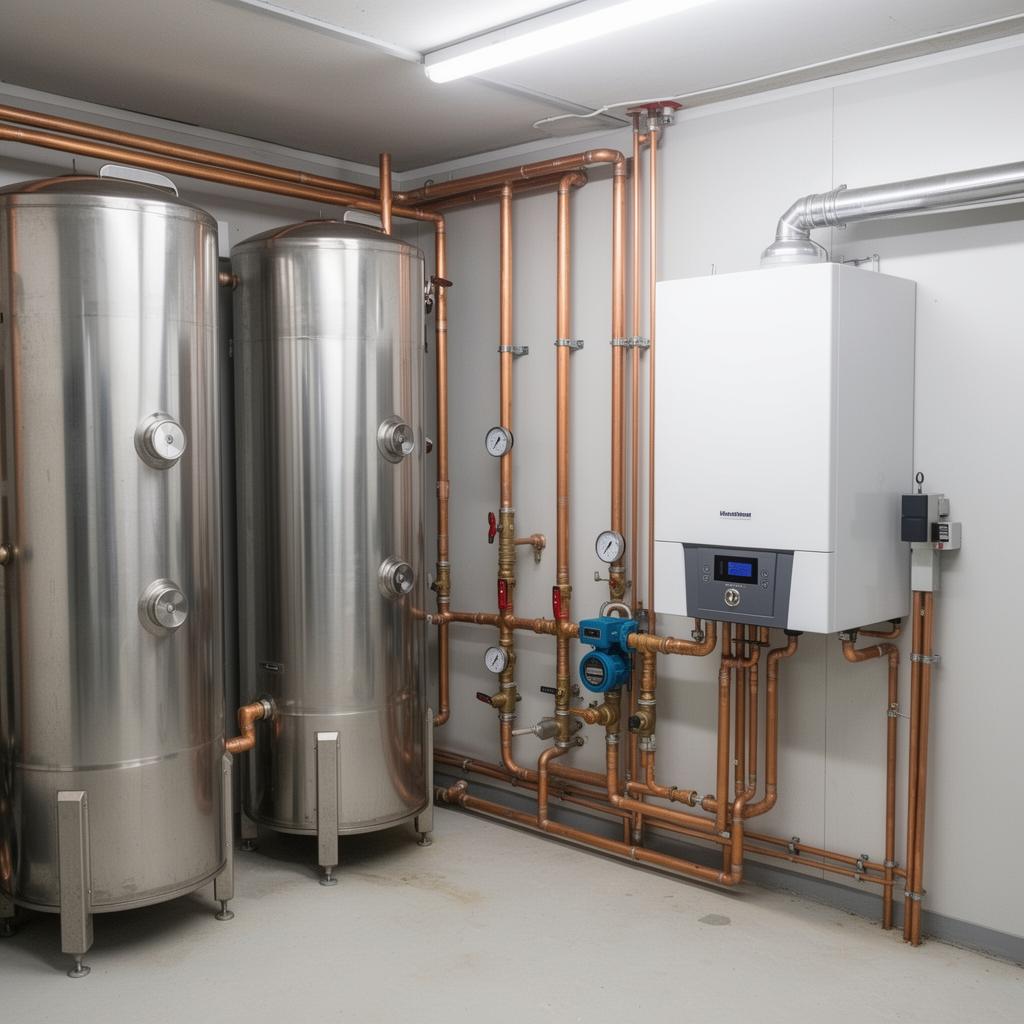
Best commercial water heater: Why 'Best' Depends on Demand, Not Just Specification
A search for the best commercial water heater or commercial hot water heater usually assumes there's one standout product, but commercial hot water demand varies hugely between a hairdresser's with modest washbasin use and a hotel with simultaneous morning showers across dozens of rooms. A water heater that performs brilliantly in one setting can be entirely the wrong size or type for another, which is why we focus on matching a unit to your demand profile rather than recommending a single model.
Storage vs Instantaneous (Continuous Flow) Water Heaters
Storage water heaters hold a volume of hot water ready for use, which suits premises with predictable peak demand, such as a kitchen needing a burst of hot water at set times. Instantaneous or continuous-flow commercial gas water heaters heat water on demand without storing large volumes, which can suit premises with variable or unpredictable usage patterns and limited space for a large cylinder, though their output is governed by flow rate and incoming water temperature.
Recovery Rate for Storage Systems
If you choose a storage water heater, the recovery rate - how quickly it reheats the stored volume after use - is as important as the storage capacity itself, particularly for premises with back-to-back peak demand periods such as a gym with sequential showers.
Criteria Worth Comparing
Peak Demand and Simultaneous Use
Consider how many outlets could realistically be used at the same time, and the worst-case scenario for your business - a busy Saturday lunchtime for a café, or a fully booked hotel floor in the morning - rather than just average daily usage.
Space and Installation Location
Available plant room or kitchen space affects whether a storage cylinder is practical or whether a wall-mounted instantaneous unit is more suitable. Flue routing and ventilation requirements also factor into what fits where.
Efficiency and Running Costs
Condensing commercial water heaters can offer efficiency benefits similar to condensing boilers, recovering additional heat from flue gases, though the practical benefit depends on your system's operating temperatures.
Water Quality and Hardness
In hard water areas, scale build-up can affect heater performance and lifespan over time; some units and installations are designed with this in mind, and discussing local water hardness with your engineer is worthwhile.
Legionella and Water Safety Considerations
Commercial hot water systems, particularly those with storage, need to be managed in line with water safety guidance (commonly referencing HSE's ACOP L8 and associated guidance) to control the risk of legionella, which can influence storage temperature settings and system design.
Matching the Unit to Your Sector
A restaurant kitchen typically needs high-volume hot water for washing up alongside catering equipment demand, a hotel needs resilience against simultaneous peak usage across many rooms, and an office may only need modest provision for washrooms and a small kitchenette. Describing your actual pattern of use to an engineer, rather than searching for a single best commercial water heater, leads to a better-matched and more cost-effective outcome.
How We Help You Choose
We assess your expected demand, available space, water quality and existing pipework before discussing suitable commercial gas water heater options, across a range of manufacturers. Our role is to explain the trade-offs clearly so you can make an informed decision for your premises, rather than pushing a particular product.
Storage vs Instantaneous Commercial Water Heaters
Storage water heaters keep a volume of hot water ready for use and recover it over time, which suits premises with intermittent but sometimes high peak demand, such as a hotel with simultaneous morning showers. Instantaneous units heat water on demand without storing a large volume, which can suit sites with steadier, more predictable draw-off patterns and limited space for a cylinder. Neither type is universally the best commercial water heater - the right choice depends on your demand pattern.
Sizing a Commercial Water Heater Correctly
Peak Demand vs Average Demand
Sizing based only on average daily hot water use can leave a system unable to cope with short peak periods, so peak demand assessment is usually a key part of choosing a unit.
Recovery Rate
For storage units, the recovery rate - how quickly the stored water is reheated after use - matters as much as the stored volume when demand is frequent or heavy.
Legionella Control and Water Heater Choice
Commercial hot water systems need to manage legionella risk, which typically involves storing water at a sufficiently high temperature and ensuring adequate circulation so water doesn't sit at a temperature that encourages bacterial growth. This consideration can influence the type and configuration of water heater chosen, alongside any blending valves needed to deliver safe outlet temperatures to users.
Efficiency and Running Costs
Condensing commercial water heaters can offer improved efficiency over older non-condensing designs by recovering additional heat from the flue gases, though as with boilers, the benefit in practice depends on the system's operating temperatures and how the unit is installed and controlled. We can talk through the efficiency characteristics of different options relevant to your expected usage.
Matching Demand Pattern to the Right Water Heater
A restaurant kitchen typically needs high-volume hot water for washing up alongside catering equipment demand, a hotel needs resilience against simultaneous peak usage across many rooms, and an office may only need modest provision for washrooms and a small kitchenette. Describing your actual pattern of use to an engineer, rather than searching for a single best commercial water heater, leads to a better-matched and more cost-effective outcome.
Finding the Best Commercial Water Heater for Your Premises: frequently asked questions
Is a storage or instantaneous unit the best commercial water heater for a restaurant?
- It depends on peak demand pattern; busy kitchens with simultaneous demand often suit storage with good recovery rate, but it's worth assessing your specific usage before deciding.
What makes a commercial hot water heater efficient?
- Condensing designs can improve efficiency by recovering heat from flue gases, though the real-world benefit depends on your system's operating temperatures and usage pattern.
Do you recommend one brand as the best commercial water heater?
- No, we explain the selection criteria - demand, space, recovery rate and water quality - and help match a suitable option to your premises rather than naming a single best brand.
How does legionella risk affect choosing a commercial water heater?
- Storage temperature and system design need to account for legionella control guidance, which can influence which type of unit and configuration is appropriate for your building.
How do I find the best commercial water heater for my business?
- Call 0208 935 5572 to discuss your hot water demand and premises; we'll help you weigh up suitable options based on your actual usage.
Need a commercial gas engineer in London?
Gas Safe registered commercial engineers, 24 hours a day. Call now or book online and we'll confirm a time.